Living in the Sunshine State is a dream, but our roofs definitely take a beating. Between the relentless June-through-November humidity, the scorching afternoon sun, and those unpredictable tropical systems, your roof is the unsung hero of your home.
At Trademark Roofing, we believe in being good neighbors. That means being transparent about what your home needs (and what it doesn’t) to stay safe. Here is everything you need to know about keeping a sturdy lid over your head.
Why Inspections Matter (Especially in Florida)
In many parts of the country, a roof might be a "set it and forget it" feature for twenty years. In Florida, that’s a risky gamble.
Insurance Compliance: Many Florida insurers now require proof of a roof’s condition or a full replacement once it hits the 15-year mark. Regular inspections provide the documentation you need.
Preventing "Silent" Damage: A small leak behind a fascia board can turn into a massive mold colony in our humidity before you ever see a drip on your ceiling.
Storm Readiness: You don’t want to find out your shingles are loose during a Category 2 hurricane. Inspections ensure your home’s first line of defense is actually secure.
What to Look For: A Homeowner’s Checklist
While we always recommend a professional climb the ladder for a deep dive, you can spot several red flags from the safety of your driveway:
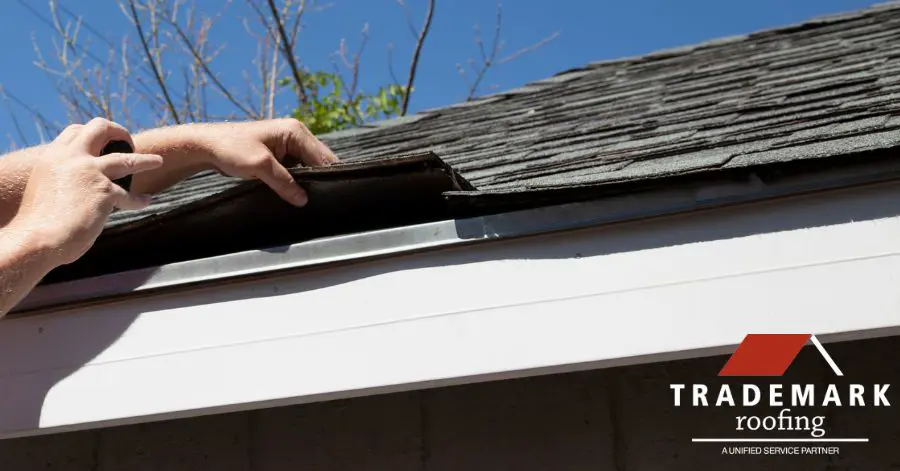
Curling or "Clawing" Shingles: This is a sign of heat damage. When shingles curl upward, they become easy targets for wind to rip them away.
The "Bald" Look: Look for dark patches where the protective granules have rubbed off. If you see a lot of sand-like grit in your gutters, your shingles are reaching the end of their life.
Damaged Flashing: This is the metal material around chimneys and vents. If it’s rusted or peeling, water has an open invitation into your attic.
Sagging Roof Lines: This can indicate structural issues or long-term water damage to the decking underneath.
When Should You Schedule an Inspection?
We recommend a professional inspection at least once a year, ideally in the spring before hurricane season kicks into high gear. You should also call for a look-over immediately following any major hailstorm or high-wind event.
Remember, a "free inspection" should never feel like a high-pressure sales pitch. A principled roofer will show you photos of the damage and explain the "why" behind their recommendations.
Your Local Roofing Partners
Your home is likely your biggest investment, and we want to help you protect it with honesty and integrity. If you're worried about the age of your roof or just want peace of mind before the next storm season, Trademark Roofing is here to help. We pride ourselves on transparent communication and quality craftsmanship that stands up to the Florida elements.
Give us a call today at (239) 323-9984 to schedule your inspection and experience the neighborly service you deserve.